Health and Safety Policy for Carpetcleaning Bromley
 This health and safety policy sets out the standards and working practices expected in professional carpet cleaning operations. The aim is to protect staff, clients, property, and the wider environment by reducing risks linked to equipment use, cleaning chemicals, wet surfaces, manual handling, and electrical hazards. A safe approach supports reliable service quality while ensuring every carpet cleaner works responsibly and consistently.
Our policy applies to all stages of the service, from preparation and transport to cleaning, drying, and final inspection. Safety is considered before, during, and after every job, with attention given to identifying hazards early and taking practical steps to control them. All team members are expected to understand their role in maintaining safe working conditions and to act promptly if a hazard is discovered.
Risk management begins with assessing the area to be cleaned. Floors may be slippery, furniture may create trip hazards, and electrical sockets may be exposed to moisture if equipment is positioned carelessly. A professional carpet cleaning service should check the workspace carefully, isolate risks where possible, and only begin work once the environment is suitable for safe operation.
Core Safety Responsibilities
Every employee involved in carpetcleaning must follow safe working procedures and use equipment only for its intended purpose. Machines should be inspected before use, cables should be arranged to avoid damage or entanglement, and any faulty item must be removed from service immediately. Regular checks help prevent avoidable incidents and support the consistent delivery of a safe, professional service.
Cleaning chemicals must be stored, handled, and diluted according to manufacturer instructions. Using the correct dosage is essential for both safety and performance, as overuse can create residue, affect indoor air quality, or increase the likelihood of skin irritation. Staff should wear suitable gloves where needed and avoid mixing products unless specifically approved. In all carpet cleaning tasks, chemical control remains a priority.
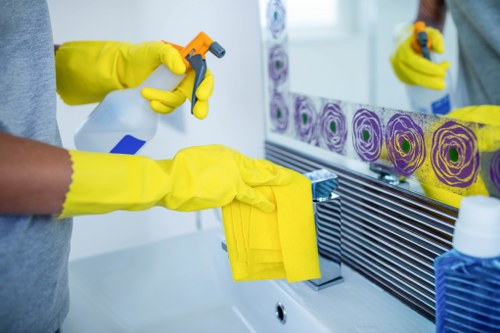
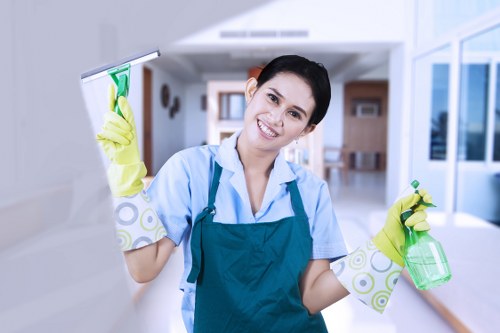 Personal protective equipment should be selected according to the task and the level of risk involved. Depending on the job, this may include gloves, protective footwear, eye protection, or additional clothing to reduce exposure to moisture or cleaning agents. PPE is not a substitute for safe practice, but it provides an important extra layer of protection when carrying out carpet cleaner duties.
Manual handling is another major safety consideration. Lifting machines, moving furniture, or carrying solution containers can place strain on the back, shoulders, and arms. Staff are expected to use correct lifting techniques, ask for assistance when loads are awkward, and avoid unnecessary force. Where possible, equipment should be kept as manageable as practical to reduce physical strain during carpetcleaning services.
Special care must be taken around water. Even a small amount of moisture can create a slip hazard on hard flooring, stairs, or entryways. Work areas should be monitored throughout the process, and warning signs or verbal advice should be used when surfaces are wet. Drying methods should be applied appropriately so that the client can return to the space safely once the work is complete.
 Electrical safety is essential because carpet cleaning often involves powered machines, extension leads, and proximity to water. All electrical equipment should be visually checked before use, and damaged plugs, cables, or fittings must not be used. Sockets should never be overloaded, and equipment should be positioned to reduce the chance of contact with liquid. Safe handling of electricity is a non-negotiable part of carpet cleaning Bromley operations.
Operational Controls and Safe Practice
Training plays a central role in maintaining high safety standards. All staff should receive instruction on equipment use, chemical handling, emergency response, and job-specific risk assessment. Refresher training should be provided where necessary so that skills remain current and safe working habits remain strong. A well-trained carpet cleaning team is better equipped to identify issues before they develop into incidents.
Communication is important when work is being carried out in occupied premises. Clients and building occupants should be made aware of any temporary restrictions, such as drying times, limited access to treated areas, or the need to keep pets and children away from equipment. Clear communication helps prevent accidental interference and supports a calm, controlled environment during carpetcleaning activities.
Housekeeping standards should remain high at all times. Spills must be dealt with immediately, tools should be stored neatly, and waste materials should be removed safely. Keeping the work area tidy helps reduce trip hazards and improves overall efficiency. A clean workspace is not only more professional but also safer for everyone present during carpet cleaning.
Emergency procedures should be understood by all staff. If an accident occurs, work must stop and the situation must be assessed quickly and calmly. First aid, incident reporting, and escalation procedures should be followed where appropriate. Any chemical exposure, electrical issue, or injury must be recorded and reviewed so that future carpet cleaning service practices can be improved.
Risk reviews should be completed regularly and updated whenever working conditions change. This includes new equipment, different property types, unusual staining treatments, or any circumstance that introduces a fresh hazard. A flexible but structured approach to risk control allows carpetcleaning professionals to maintain safety without compromising service quality.
 Environmental care is also part of responsible safety management. Wastewater and used materials should be disposed of properly, and product choices should aim to minimise unnecessary environmental impact while remaining effective. By combining efficiency with responsible control measures, the business supports a safer working method and a more sustainable carpetcleaning service.
Review and Continuous Improvement
 This policy should be reviewed on a regular basis to ensure it reflects current working methods, equipment, and safety expectations. Feedback from inspections, incident records, and staff observations can all help improve standards over time. The goal is to ensure that every carpet cleaner works in a controlled, well-managed environment where risks are reduced as far as reasonably possible.
By following this health and safety policy, the business demonstrates a clear commitment to protecting people, property, and working conditions. Safe practice is not treated as an optional extra; it is a fundamental part of delivering dependable carpetcleaning results. Consistent attention to safety strengthens trust, supports professionalism, and helps ensure every job is completed with care.