The Glades upholstery cleaning tips for Bromley shoppers
If you are browsing for The Glades upholstery cleaning tips for Bromley shoppers, you are probably trying to do two things at once: keep your furniture looking decent and avoid making an expensive mistake. Fair enough. Upholstery is one of those things that looks simple until you are staring at a mark on a sofa arm, wondering whether a quick home fix will help or make it worse.
This guide is written for Bromley shoppers who want practical, no-nonsense advice. We will cover how upholstery cleaning works, what to do before you book, which methods suit different fabrics, common errors to avoid, and how to judge whether a professional clean is worth it. Along the way, you will see how upholstery care connects with broader home cleaning needs such as sofa cleaning, stain removal, and even deep cleaning when the whole room needs a reset.
One quick truth: the best upholstery cleaning is usually the one that matches the fabric, the stain, and the age of the furniture. Sounds obvious, but it is where a lot of people go wrong.
Contents
- Why this matters for Bromley shoppers
- How upholstery cleaning works
- Key benefits and practical advantages
- Who this is for and when it makes sense
- Step-by-step guidance
- Expert tips for better results
- Common mistakes to avoid
- Tools, resources and recommendations
- Law, compliance, standards, or best practice
- Options, methods, or comparison table
- Case study or real-world example
- Practical checklist
- Conclusion
- Frequently asked questions
Why The Glades upholstery cleaning tips for Bromley shoppers Matters
Bromley homes and businesses tend to see a lot of use from upholstered furniture. School bags on armchairs, muddy shoes near hall seats, coffee during the morning rush, the dog claiming the best spot on the sofa... it all adds up. Upholstery holds onto dust, body oils, food crumbs, pollen, pet hair, and the odd mystery mark that seems to appear overnight.
That matters for a few reasons. First, appearance. A clean sofa, dining chair, or office visitor seat changes the feel of a room immediately. Second, hygiene. Fabric can trap allergens and odours far longer than hard surfaces. Third, lifespan. Dirt behaves a bit like fine sandpaper; over time it wears fibres down and makes them look tired. Nobody wants a GBP1,000 sofa looking like it has lived a harder life than necessary.
For shoppers around The Glades, the decision often sits somewhere between DIY cleaning and booking a professional service. The right answer depends on the material, the stain, and how much risk you are willing to take. A sensible clean can restore freshness. The wrong cleaner, on the other hand, can leave rings, shrinkage, or a sticky residue that seems to attract more dirt later. Annoying, to say the least.
Expert summary: If a piece is valuable, sentimental, or made from delicate fabric, treat cleaning as fabric care first and stain removal second. That mindset prevents most costly mishaps.
How The Glades upholstery cleaning tips for Bromley shoppers Works
Upholstery cleaning is not one single process. It is a small set of decisions followed by a method that suits the item. In practice, a cleaner will look at the fabric type, the construction of the furniture, the visible marks, the level of soil, and drying conditions in the room.
The main stages usually look like this:
- Inspection: identify fabric type, colour stability, wear, and any problem areas.
- Testing: check a small hidden patch for colour transfer or texture change.
- Pre-treatment: loosen greasy spots, food marks, or pet-related staining.
- Cleaning: use the most suitable method, such as low-moisture cleaning, hot water extraction, or targeted spot treatment.
- Rinsing or neutralising: remove cleaner residues so the fabric does not feel tacky.
- Drying: encourage airflow and manage moisture carefully.
That sequence sounds straightforward, but the detail matters. For example, a synthetic dining chair may handle more moisture than a linen blend. A velvet sofa may need very different care from a textured armchair. If you are unsure, a professional service such as upholstery cleaning is often the safer route because the process is matched to the material rather than forced onto it.
There is also a difference between cleaning for appearance and cleaning for recovery. A lightly marked sofa might just need a refresh. A family sofa with years of build-up may need the kind of treatment often used in one-off cleaning jobs, where the goal is to restore the item in one proper visit rather than maintain it weekly.
Key Benefits and Practical Advantages
Good upholstery care gives you more than a nice-looking armchair. The practical gains are easy to overlook until they disappear.
- Better appearance: fabrics look brighter, more even, and less flat.
- Improved freshness: odours from pets, food, or daily use are reduced.
- Longer furniture life: fibres stay healthier for longer when dirt is removed properly.
- More comfortable living space: a clean sofa somehow makes the whole room feel calmer.
- Better impression for guests or customers: especially relevant in reception areas, rentals, or short-let properties.
- More effective stain handling: early treatment is much easier than trying to fix an old, set-in mark.
There is a commercial side too. If you manage a shop, office, or communal building, upholstery cleaning can support the overall standard of the space alongside services like office cleaning and communal area cleaning. People notice seating faster than they notice skirting boards. Strange but true.
And for homeowners, especially busy families, a well-timed clean can buy you another year or two before replacing a piece. That is not magic. It is just sensible maintenance.
Who This Is For and When It Makes Sense
Upholstery cleaning makes sense for a wide range of Bromley shoppers, but it is not always urgent. Here is the practical split.
- Homeowners: if the sofa or chairs are used daily and starting to look dull.
- Renters: especially before moving out or after taking over a property with existing marks.
- Families with children: where spills are part of life, not an exception.
- Pet owners: for odours, hair, and accident-related staining.
- Landlords and letting agents: to present furniture well between tenancies.
- Hospitality hosts: if you want a guest-ready finish without a lingering smell of last weekend's takeaway.
- Business owners: for waiting rooms, staff seating, and customer-facing chairs.
When does it make sense to wait? If the item is already structurally failing, has split seams, or has fabric that is badly faded and brittle, cleaning may improve the look only a little. In that case, repair or replacement might be the smarter spend. A good cleaner should say so, by the way. If they promise miracles without looking closely, that is a red flag.
Step-by-Step Guidance
If you want to handle basic upkeep yourself before calling in help, use a careful, low-risk routine. This is especially useful for fresh marks and routine maintenance.
- Read the care label. Look for cleaning codes and fabric notes. If you do not have the label, check the underside or a hidden flap.
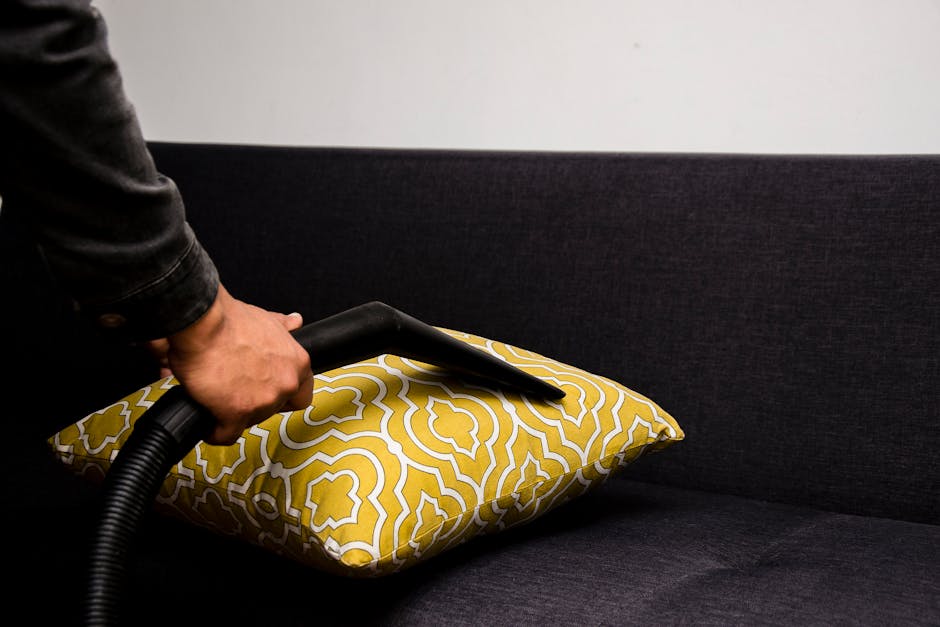
- Vacuum first. Use an upholstery attachment and go slowly. Lift crumbs, dust, and pet hair before adding any liquid.
- Blot, do not rub. Fresh spills spread quickly if you scrub them. Blot from the outside in with a clean white cloth.
- Test any cleaner. Apply it to a hidden area and wait. A patch test is boring, yes, but it saves grief.
- Use minimal moisture. Too much water can cause rings, shrinkage, or long drying times.
- Treat the stain gently. Work in stages rather than soaking the area in one go.
- Rinse if needed. Some cleaning products leave residue, which can attract dirt.
- Dry properly. Open windows if you can, and keep the room ventilated.
If the stain is old, greasy, protein-based, or smells noticeable, it may be better to book a specialist service rather than keep experimenting. You may save time and, honestly, a fair bit of frustration.
Quick home-care routine for busy shoppers
- Vacuum upholstery weekly.
- Rotate cushions so wear does not build in one spot.
- Deal with spills immediately.
- Keep food and drinks away from light-coloured fabrics if you can.
- Use throws in high-traffic family rooms, but wash them regularly so they do not become dirt carriers themselves.
Expert Tips for Better Results
There are a few small habits that make a big difference. Not glamorous, but effective.
Match the method to the fibre. Synthetic fabrics usually tolerate more than natural fibres, but every piece is different. Wool blends, cotton mixes, velvet, and linen all behave differently once moisture is involved.
Clean the whole panel, not just the stain. Spot cleaning a tiny patch can leave tide marks. Blending the treated area into the surrounding fabric helps the result look even.
Watch the weather and drying conditions. On a damp Bromley afternoon, drying can take longer than expected. Airflow matters more than heat blasting. Too much heat can distort some fabrics.
Think about odour as well as appearance. A fabric can look fine and still hold smells from pets or spills. If that is the main issue, a targeted service such as pet stain odour removal may be the more useful answer.
Ask about the cleaner's process. A trustworthy provider should be able to explain how they assess fabric, what products they use, and how long drying is likely to take. If the answer is vague, keep asking. Politely, of course.
Keep expectations realistic. Some marks are permanent. Some fabrics carry wear that cleaning cannot erase. A good result can still be a very good result even if the item does not look brand new.
Common Mistakes to Avoid
Let's face it, most upholstery damage happens during well-intended cleaning. The following mistakes come up a lot.
- Using too much detergent: residue becomes sticky and attracts fresh dirt.
- Over-wetting the fabric: this can lead to slow drying and water marks.
- Rubbing aggressively: it pushes the stain deeper into the fibres.
- Ignoring the care label: this is how a simple spill becomes a repair job.
- Using bleach or harsh chemicals: colour loss is often permanent.
- Skipping a patch test: a small test area is much cheaper than replacing a cushion cover.
- Cleaning only the visible mark: this often leaves a ring around the area.
Another common mistake is booking the wrong service for the wrong problem. A general clean is not always enough for stubborn odours or ground-in stains. Likewise, a heavy-duty treatment is not always suitable for delicate fabric. The trick is choosing the lightest effective approach.
Tools, Resources and Recommendations
You do not need a house full of gadgetry. A few sensible tools will cover most routine maintenance.
- Upholstery attachment vacuum: useful for dust and debris.
- Microfibre cloths: good for blotting and gentle surface work.
- White absorbent towels: helpful when dealing with spills, because coloured cloths can transfer dye.
- Soft brush: can lift surface soil from textured fabrics if used carefully.
- Fabric-safe spot cleaner: only if suitable for the material and tested first.
For larger jobs, it is often worth looking at the service mix around the whole property. If the seating is not the only issue, pairing upholstery work with carpet cleaning or rug cleaning can make a room feel properly refreshed rather than half-done. If you are preparing a property for new occupants, a broader clean may sit neatly beside move-out cleaning or end of tenancy cleaning.
And if the issue is part of a bigger reset after decoration, builders' dust, or seasonal overhaul, services like after builders cleaning and steam carpet cleaning may be relevant too. Different tools, same goal: get the home feeling settled again.
Law, Compliance, Standards, or Best Practice
For most shoppers, upholstery cleaning is a practical household service rather than a regulated technical project. Still, there are sensible UK best-practice points worth keeping in mind.
Professionals should work carefully around electrical items, moisture, slip risks, and indoor air quality. That means using safe working methods, suitable protective equipment where needed, and products that are handled according to manufacturer guidance. If a provider is working in a home, rental property, or commercial premises, they should also be clear about what happens if a fabric is damaged or a room needs time to dry before reuse.
It is wise to check a company's insurance and safety information, especially if you are booking a valuable sofa, specialist upholstery, or a larger commercial clean. Clear terms matter too, so it helps to read the terms and conditions and understand payment expectations via payment and security. None of that is glamorous, but it is how you avoid headaches later.
For businesses and landlords, documenting what was cleaned, when it was done, and any warnings about fabric condition is a sensible housekeeping habit. It is not red tape for the sake of it. It is just tidy practice.
Options, Methods, or Comparison Table
Different upholstery situations call for different cleaning approaches. Here is a simple comparison to help you think it through.
| Method | Best for | Pros | Watch-outs |
|---|---|---|---|
| Vacuuming and spot care | Routine upkeep, light dust, fresh spills | Low cost, fast, good for prevention | Limited effect on old stains and odours |
| Low-moisture cleaning | Delicate fabrics, quick-drying needs | Reduced drying time, less risk of over-wetting | May not shift heavy soil on its own |
| Hot water extraction | Robust fabrics, deep soil, general refresh | Good for thorough cleaning and residue removal | Not suitable for every fabric; drying time matters |
| Targeted stain treatment | Isolated marks, accident spots, food and drink stains | Focused approach, can save an otherwise decent item | Needs careful testing and correct chemistry |
There is no "best" method in the abstract. The right choice depends on the item in front of you. That is the part many shoppers only learn after one bad DIY attempt. Unhelpfully, usually on a Saturday evening.
Case Study or Real-World Example
Picture a Bromley family sofa in a busy living room. It is not ruined, just tired. The seats have flattened slightly, the arms are dull, and there are a few food marks from regular life. Nothing dramatic. The family has been ignoring it because the sofa still works, which is fair enough.
They start with vacuuming, remove loose dirt, and check the fabric label. The main concern is a faint drink mark on one cushion and an odour from a pet who likes to sneak onto the sofa after rain. They try a supermarket cleaner on a hidden patch first. The patch tests fine, but the visible mark still looks patchy, and the scent is still hanging around.
At that point, a professional upholstery clean makes more sense. The cleaner inspects the fabric, treats the stain carefully, and works across the seat area so the finish blends properly. Drying is managed with airflow and sensible timing. The result is not "brand new," because reality exists, but the room feels fresher and more put together. The family keeps a better routine after that, and the sofa stays presentable for much longer.
That kind of outcome is typical. Not magical. Just solid, practical improvement. And that is often exactly what people want.
Practical Checklist
Use this quick checklist before you clean or book a clean.
- Identify the fabric type and check the care label.
- Vacuum the item thoroughly, including seams and crevices.
- Blot fresh spills immediately.
- Patch test any product in a hidden area.
- Avoid soaking the fabric.
- Do not scrub aggressively.
- Allow enough drying time and ventilation.
- Consider odour as well as visible staining.
- Check whether the item is valuable, delicate, or sentimental.
- For larger jobs, compare a targeted clean with a broader service such as house cleaning or domestic cleaning if the whole home needs attention.
If you are still unsure, that is normal. Upholstery care can feel oddly technical for something that sits in the lounge and looks harmless. A careful question now saves a lot of regret later.
Conclusion
The best The Glades upholstery cleaning tips for Bromley shoppers are simple in principle: know your fabric, treat stains gently, avoid over-wetting, and match the method to the problem. Most upholstery issues are not about lack of effort. They are about using the wrong approach for the material in front of you.
For light upkeep, a steady routine of vacuuming, prompt blotting, and the occasional safe spot treatment can make a real difference. For older stains, odours, or delicate fabrics, professional care is usually the safer and more effective option. If you are comparing services, think about the whole room, the drying time, and whether the clean needs to support a move, tenancy change, or seasonal reset.
The nice thing about good upholstery cleaning is that the results are visible straight away. The room feels lighter. The furniture feels looked after. And that, frankly, is a good feeling on an ordinary Bromley afternoon.
Get a free quote today and see how much you can save.
Frequently Asked Questions
How often should upholstery be cleaned in a Bromley home?
For everyday family furniture, a light routine of vacuuming should happen weekly, while a deeper clean is often sensible every 12 to 24 months depending on use. Homes with pets, children, or heavy footfall may need attention sooner.
Can I clean upholstery myself, or should I book a professional?
Simple dusting, vacuuming, and careful blotting are fine for most people. If the fabric is delicate, the stain is old, or there is an odour problem, professional cleaning is usually the safer choice.
What is the biggest mistake people make with upholstery stains?
Rubbing too hard is probably the most common mistake. It pushes the stain deeper and can rough up the fabric. Blot gently instead, and work from the outside of the mark inward.
Will upholstery cleaning remove pet smells?
Sometimes, yes, but it depends on how deep the odour has gone and which fabric is involved. Surface smells are easier to shift than odours that have soaked into padding or cushions.
Is steam cleaning safe for all upholstery?
No, not all upholstery can handle steam cleaning. Some fabrics are sensitive to heat or excess moisture, so the method should be chosen carefully after checking the fabric type and cleaning code.
How long does upholstery take to dry?
Drying time varies by fabric, method, ventilation, and weather. Light cleaning may dry fairly quickly, while deeper cleaning can take longer. Good airflow helps more than cranking the heat up.
Can old stains still be improved?
Often, yes. Older stains may not disappear completely, but they can usually be reduced. The exact result depends on the stain type, the fabric, and whether previous DIY attempts have set the mark.
Should I clean the whole sofa or just the stained area?
For the best finish, cleaning the whole panel or seating section is usually better than treating a tiny spot on its own. That helps avoid obvious patchiness or water marks.
What should I check before booking upholstery cleaning?
Check fabric type, any visible damage, drying space, and the provider's process. It is also sensible to look at pricing and quotes so you know what is included before you commit.
Does upholstery cleaning help with allergies?
It can help reduce dust, pet hair, and general build-up, which may make the room feel fresher. That said, it is not a medical treatment, just a practical cleaning step that supports a cleaner environment.
Is there a difference between sofa cleaning and upholstery cleaning?
Yes, sofa cleaning is a type of upholstery cleaning. Upholstery cleaning covers a wider range of fabric furniture such as dining chairs, armchairs, ottomans, and office seating.
What if my furniture is too delicate for standard cleaning?
Then it should be handled with a gentler method or left to a specialist. Delicate fabrics can react badly to moisture or the wrong product, so caution is the better part of value here.
For readers who want a wider refresh across the property, related services like regular cleaning and move-in cleaning can help keep everything on track after the upholstery is sorted. A little consistency goes a long way.